 What is novel coronavirus?
“On February 11, 2020, the World Health Organization announced an official name for the disease that is causing the 2019 novel coronavirus outbreak,
first identified in Wuhan China. The new name of this disease is coronavirus disease 2019, abbreviated as COVID-19.
In COVID-19, ‘CO’ stands for ‘corona,’ ‘VI’ for ‘virus,’ and ‘D’ for the disease. Formerly, this disease was referred to as “2019 novel coronavirus” or “2019-nCoV”.
A novel coronavirus is a new coronavirus that has not been previously identified. The virus causing coronavirus disease 2019 (COVID-19),
is not the same as the coronaviruses that commonly circulate among humans and cause mild illness, like the common cold.”
Now what about the source of coronavirus?
“Coronaviruses are a large family of viruses. Some cause illness in people, and others, such as canine and feline coronaviruses, only infect animals.
Rarely, animal coronaviruses that infect animals have emerged to infect people and can spread between people. This is suspected to have occurred for the virus that causes COVID-19.
Middle East Respiratory Syndrome (MERS) and Severe Acute Respiratory Syndrome (SARS) are two other examples of coronaviruses that originated from animals and then spread to people.”
How does it spread?
“This virus was first detected in Wuhan City, Hubei Province, China.
The first infections were linked to a live animal market, but the virus is now spreading from person-to-person.
The virus that causes COVID-19 seems to be spreading easily and sustainably in the community (“community spread”) in some affected geographic areas.”
What are the symptoms of COVID-19?
“The most common symptoms of COVID-19 are fever, tiredness, and dry cough.
Some patients may have aches and pains, nasal congestion, runny nose, sore throat or diarrhea.
These symptoms are usually mild and begin gradually.
Most people (about 80%) recover from the disease without needing special treatment.
Older people, and those with underlying medical problems like high blood pressure, heart problems or diabetes, are more likely to develop serious illness.”
Take steps to protect yourself and others
- Stay home if you’re sick, except to get medical care.
- Cover your mouth and nose with a tissue when you cough or sneeze.
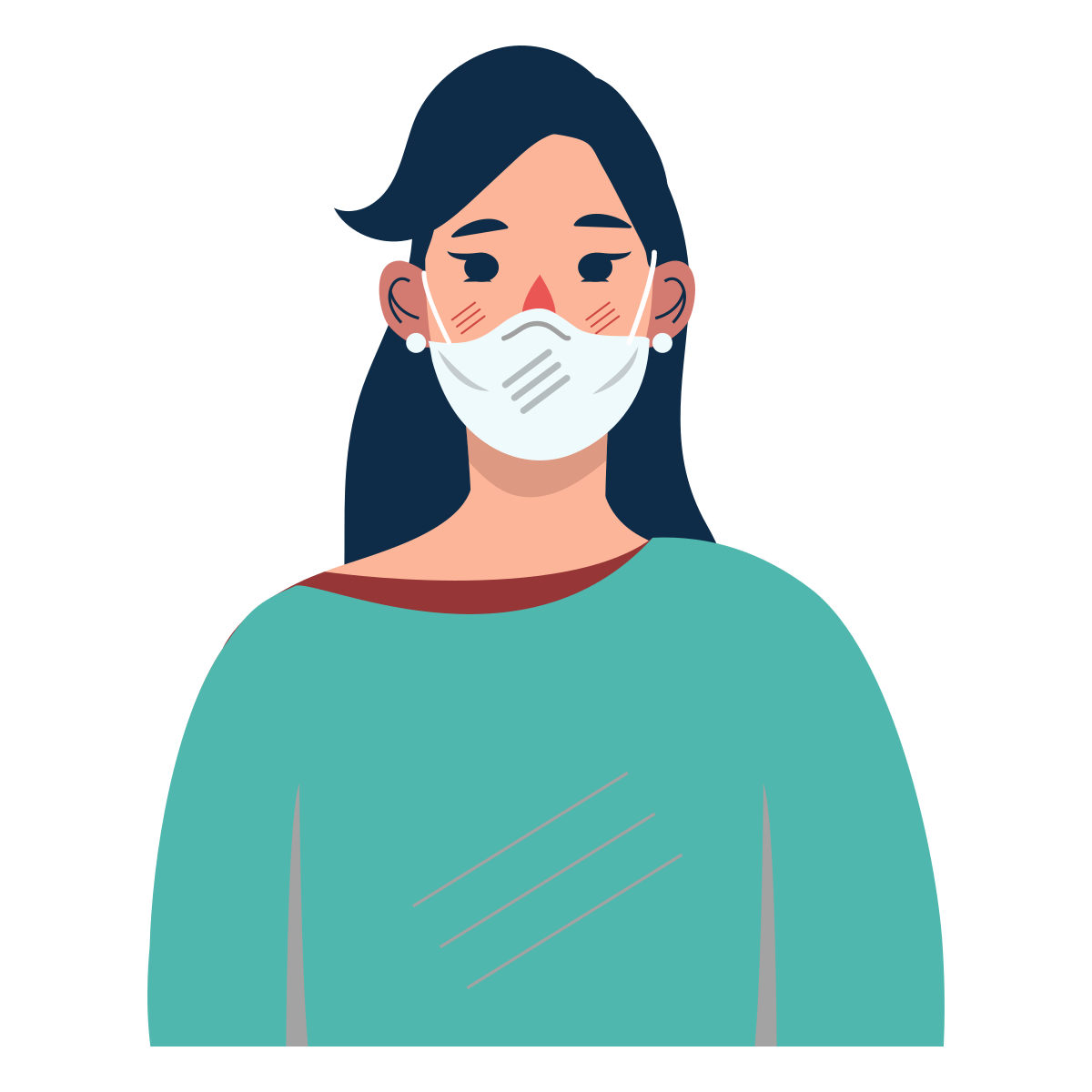
- Wear a facemask if you are sick and around other people.
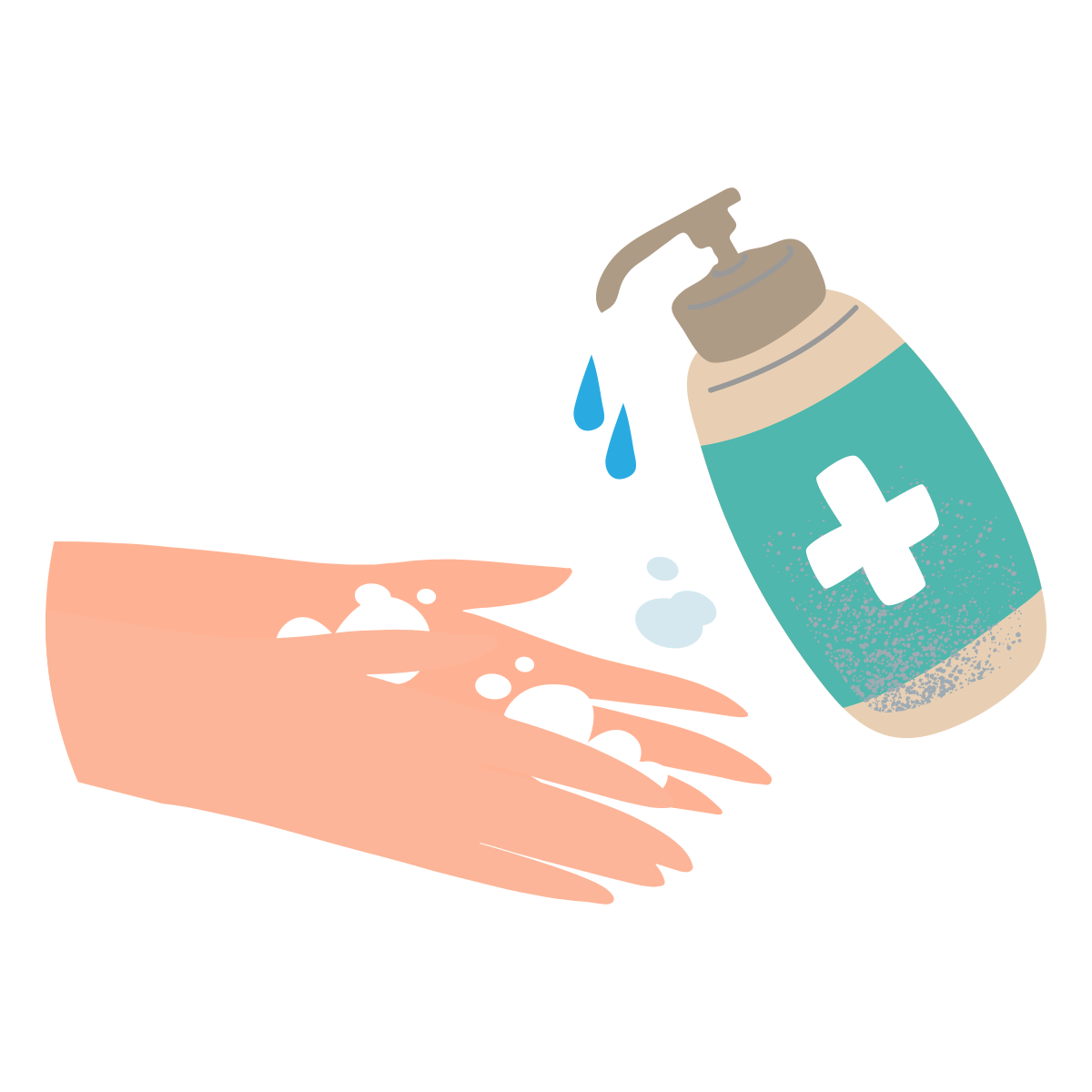
- Clean and disinfect frequently touched surfaces daily.
- Stay informed about the local COVID-19 situation.